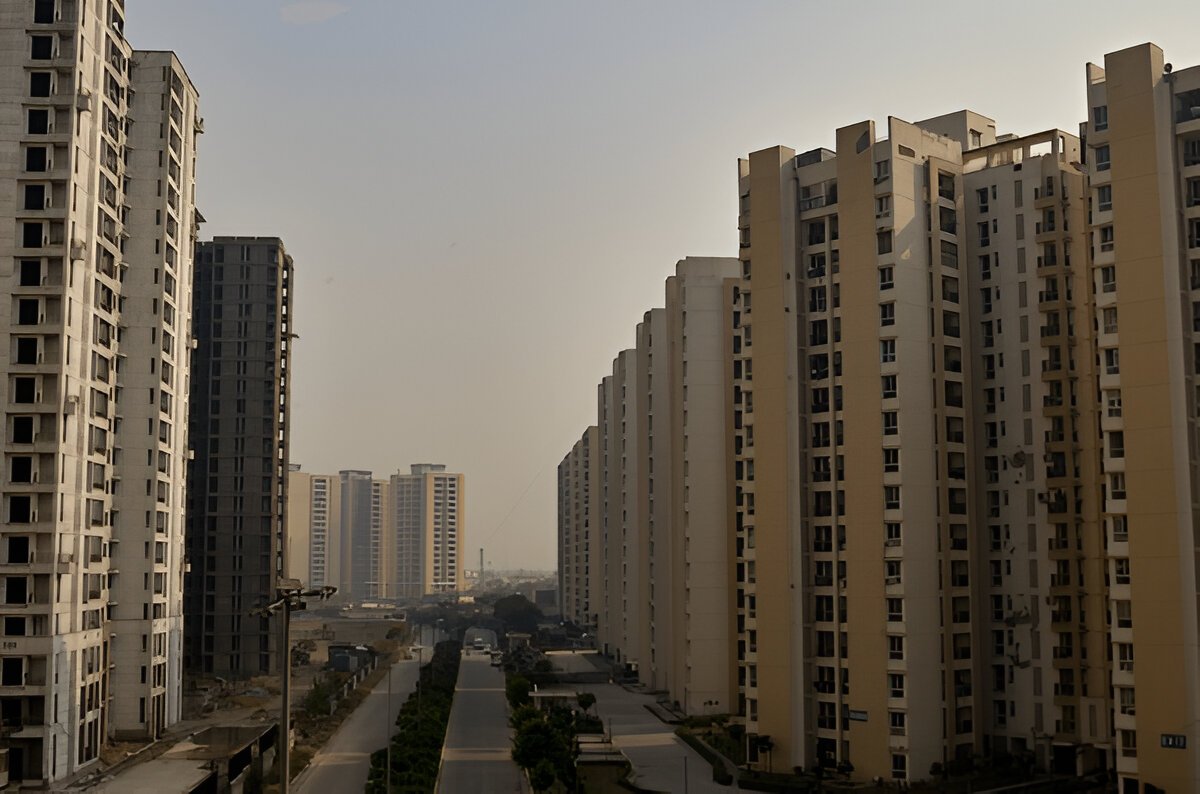
The need for property in New Delhi has actually skyrocketed amidst fast urbanization. However constructing a home or business project below currently involves much more than traditional. Environmental standards have come to be a significant player, shaping exactly how developers plan and construct. These policies shield green areas, control pollution, and advertise lasting development. For customers and designers, recognizing these guidelines is no more optional– it is vital.
This article breaks down how environmental law affect residential property in New Delhi, explains the regulative steps, sensible influences, and the advantages of complying with these guidelines very closely. By the end, you’ll see how these rules help make Delhi’s real estate both responsible and valuable.
Regulatory Framework Shaping Property Development in New Delhi
India’s environmental laws form the backbone for managing property development, especially in congested cities like New Delhi. Two main laws oversee these activities:
- Environmental Impact Assessment (EIA) Notification, 2006
- Environment Protection Act, 1986
Several state and national authorities enforce these laws:
- State Environment Impact Assessment Authority (SEIAA)
- State Expert Appraisal Committee (SEAC)
- National Green Tribunal (NGT)
- Supreme Court of India
These bodies decide if property in New Delhi requires clearance based on its environmental impact. The clearance is split right into categories based upon the size and potential impact of the task
Environmental Influence Evaluation (EIA) Process
The EIA procedure is main to approving ecological clearances. It involves five key phases:
- Screening to check if the project needs an EIA
- Scoping to identify key environmental concerns
- Study where detailed surveys and analyses are done
- Public consultation to gather feedback from affected communities
- Appraisal where the authorities review and approve or reject the project
The process typically takes numerous months, ranging from 105 to 210 days for larger tasks. Digital systems like PARIVESH 2.0 have made entries and tracking simpler.
Public involvement is vital – it permits locals and interest groups to voice problems, aiding equilibrium advancement with look after the setting. For developers planning property in New Delhi, this stage has become particularly important in winning approvals.
Category A and B Clearances
Projects fall into two main categories based on their impact and scope:
- Category A: National level clearance by the Ministry of Environment
- Category B: State level clearance for smaller scale projects
Within Classification B are subcategories B1 and B2 relying on dimension. As an example, in New Delhi, huge residential complicateds over 20,000 square meters need Category B1 clearance, indicating they go through a more detailed assessment.
Recent Court and NGT Decisions
In August 2025, the High court verified the authority of SEIAA and SEAC to accept environmental clearances, supplying much-needed clearness for programmers (source).
On the other hand, the NGT has actually tightened up enforcement versus prohibited building tasks and dirt pollution in Delhi, penalizing on offenders. These decisions highlight the significant consequences of neglecting environmental regulations, particularly for developers working on property in New Delhi.
Key Environmental Guidelines Impacting Construction Practices
Environmental rules go beyond approvals—they set standards for construction itself. Developers in New Delhi must meet these practical guidelines:
- Secure green building certifications
- Implement energy and water-efficient systems
- Manage construction waste properly
- Control air and noise pollution
Green Building Certifications (IGBC, LEED)
Certifications from bodies like the Indian Environment-friendly Structure Council (IGBC) and Management in Power and Environmental Layout (LEED) reveal a task’s commitment to sustainability.
These qualifications concentrate on decreasing energy usage, boosting water efficiency, and boosting interior air top quality. Features with these certifications commonly command far better resale values, as purchasers significantly seek homes that reduced utility bills and have a smaller sized environmental footprint. This is becoming a trend for modern property in New Delhi.
Energy Efficiency and Water Conservation Measures
Common energy-saving features developers must use include:
- Solar panels on rooftops for clean energy
- LED lighting that consumes less power
- Rainwater harvesting to replenish groundwater
- Low-flow fixtures to reduce water wastage
These measures can cut energy use by up to 30% and water bills by 25%, making them both eco-friendly for smart buyers in New Delhi.
Waste Management and Pollution Controls
Building and construction sites in Delhi have to properly separate and reuse demolition waste. Dust control is necessary to restrict air contamination, with fines for offenses.
Builders usually utilize water haze sprays and obstacles to minimize dirt, while regulations need prompt removal and secure disposal of waste. This decreases health dangers for local neighborhoods and secures groundwater and dirt high quality.
Practical Implications for Developers and Homebuyers
Environmental guidelines affect timelines, money, and market appeal in real ways.
Project Timeline and Cost Considerations
Environmental clearance applications take time. Category A projects generally require 105 to 210 days for approval. Besides clearance fees, developers bear costs for environmental studies and mitigation measures like creating green belts or installing solar systems.
Starting compliance early in planning avoids delays and added expenses later, especially when developing property in New Delhi.
Market Value and Buyer Preferences
Eco-friendly homes in New Delhi tend to sell faster and for 8–10% more. Many buyers now look specifically for properties with green credentials as they offer long-term savings and healthier living environments.
This trend makes sustainability a strong selling point in a competitive property market.
Compliance Strategies and Resources
Developers should:
- Hire EIA consultants to navigate laws
- Use the PARIVESH portal for fast documentation
- Keep updated on NGT rulings and Supreme Court decisions that impact approvals
- Adopt sustainable design features from the start to reduce revisions and risks
Buyers also benefit by choosing homes built with these compliance standards, ensuring legal clarity and lower future charges. For individuals considering long-term investments, environmentally friendly property in New Delhi is showing to be a secure and lucrative option.
Conclusion
Environmental guidelines are now a key influence on property in New Delhi. They make certain cities grow sensibly, protecting natural deposits while helping developers build better, more eye-catching homes.
By recognizing the lawful structure, the EIA procedure, and functional building and construction criteria, both buyers and designers can make smarter selections. Not just does conformity protect against pricey legal obstructions, it additionally elevates residential or commercial property values and adds to a much healthier city future.
For those thinking about discovering green and lawfully sound alternatives for property in New Delhi, collaborating with experienced partners like Batra Properties opens doors to contemporary homes that meet all standards. Sustainable investments today pave the way for growing areas tomorrow.