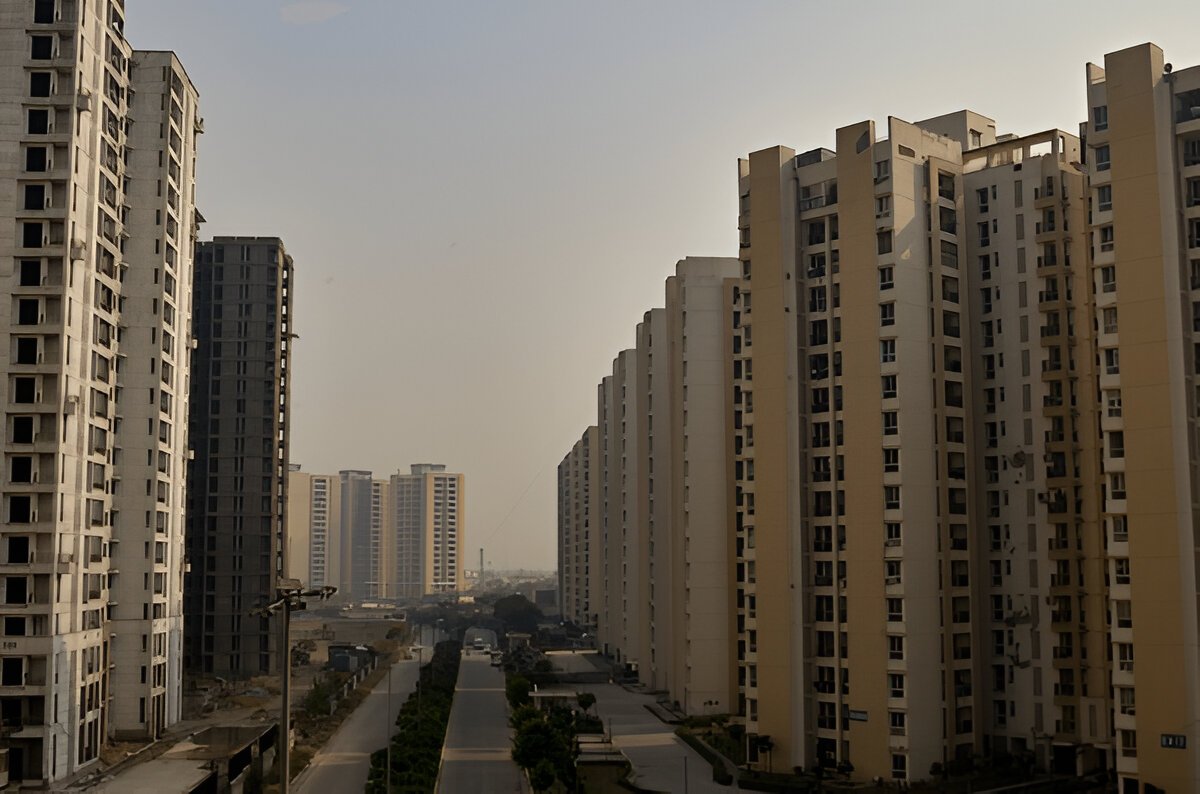
The Indian realty market is getting in a new stage with the rollout of GST 2.0 on September 22, 2025. For those looking for property in Delhi for sale, this reform is much more than just a modification in tax rates. It guarantees to reshape affordability, rates, and openness. Delhi, being the resources city, has constantly seen steady demand for both cost effective and deluxe real estate. With tax reductions on vital construction materials, customers and programmers currently stand to profit in ways that might make own a home a lot more obtainable than in the past.
Overview of GST 2.0 Reforms and Their Relevance to Delhi’s Property Market
GST 2.0 brings a two-slab tax structure of 5% and 18%, eliminating earlier complexities. Only luxury items fall under the special 40% slab, which excludes property transactions.
For Delhi’s property market, the headline change is the reduction in GST rates on building materials:
- Cement: 28% → 18%
- Granite & Marble blocks: 12% → 5%
- Steel and allied inputs: lower slab benefits
This restructuring streamlines compliance, lowers disputes, and boosts openness. Buyers of property in Delhi available for sale can expect fewer covert expenses, while programmers save money on input taxes, creating area for extra competitive rates.
How GST 2.0 Simplifies Property Transactions
Before GST 2.0, property buyers often faced confusion about multiple tax rates and compliance hurdles. Developers too struggled with paperwork and disputes over input credit claims.
Now, GST 2.0:
- Removes overlapping slabs → making transactions more transparent.
- Reduces paperwork → faster project approvals and execution.
- Encourages timely deliveries → fewer project delays.
The Press Information Bureau offers detailed notes on how GST reforms aim to help households and common citizens
This is particularly beneficial for Delhi, where demand is high but delays have often discouraged buyers.
Reduction in Construction Costs and Its Impact on Property Prices in Delhi
Cement forms 10–12% of construction costs. The tax cut from 28% to 18% could reduce total construction expenses by 5–7%.
Impact on buyers:
- Affordable housing prices may see a 2–4% drop.
- Mid-range housing could fall by 2–3%.
- Luxury housing may not drop much in price but could see higher value additions (furnishings, smart tech, free parking).
For buyers considering property in Delhi for sale, this is a rare chance where both affordability and value improve simultaneously. A recent Times of India report discusses how these reductions are already starting to boost housing demand.
Festive-Season Incentives and the Boost to Buyer Sentiment
The timing of GST 2.0 aligns with the festive season—traditionally a high-demand period in Indian real estate. Developers are using the tax benefits to launch special offers, such as:
- Festive discounts
- Flexible payment plans
- Free furnishings or appliances
These deals magnify the effect of lower tax obligations and urge more customers to complete acquisitions.
Cost Effective Real Estate vs Luxury Property in Delhi offer for sale
Delhi’s residential or commercial property market serves both new purchasers and high-net-worth people. GST 2.0 affects both segments differently:
- Affordable Housing – Customers in areas like Narela, Najafgarh, and Bawana will benefit the most, as even little percent declines make homes much more available.
Deluxe Residential property— - Prime locations like Vasant Vihar, Greater Kailash, and Defence Nest might not see sharp price decreases however will provide added value through better finishes, modern-day facilities, and festive incentives.
Therefore, no matter your spending plan, discovering property in Delhi to buy under GST 2.0 is an appealing step.
Best Locations in Delhi to Watch Post-GST 2.0
- Dwarka & Dwarka Expressway – Strong infrastructure and metro connectivity.
- Rohini & Pitampura – Mid-range properties with rental demand.
- South Delhi – Luxury options with long-term value.
- East Delhi (Laxmi Nagar, Mayur Vihar) – Affordable, well-connected areas.
- Delhi NCR (Noida, Gurgaon, Ghaziabad) – Competitive pricing benefits from GST 2.0.
Investment Outlook: Why Now Is the Right Time
For investors, GST 2.0 offers:
- Higher rental yields with rising demand.
- Capital appreciation due to affordability-driven demand.
- Transparency in compliance and transactions.
With developers launching new projects to capitalize on lower costs, property in Delhi for sale is expected to generate stronger returns between 2025–2030.
Tips for Homebuyers in 2025
- Compare projects – See which developers pass on cost savings.
- Check festive offers – Many come with free add-ons or waived charges.
- Consider location growth – Areas with metro expansion or highways will appreciate faster.
- Plan financing early – Use banks’ festive home loan offers for better rates.
- Stay alert to state costs – Stamp duty and registration fees remain outside GST.
Conclusion
The arrival of GST 2.0 is a turning point for the real estate sector, particularly for those seeking property in Delhi for sale. Lower GST on construction materials reduces costs, making homes more affordable by 2–4%. Streamlined conformity brings transparency, while joyful offers enhance buyer value.
For new buyers, this reform could imply the difference between waiting and ultimately owning a home. For investors, it ensures long-term stability and better returns. Now is the right time to explore the market and take advantage of GST 2.0 benefits— Find the tailored options with Batra Properties and turning your aspirations of owning a home in Delhi into reality.